Flexible Office Configurations
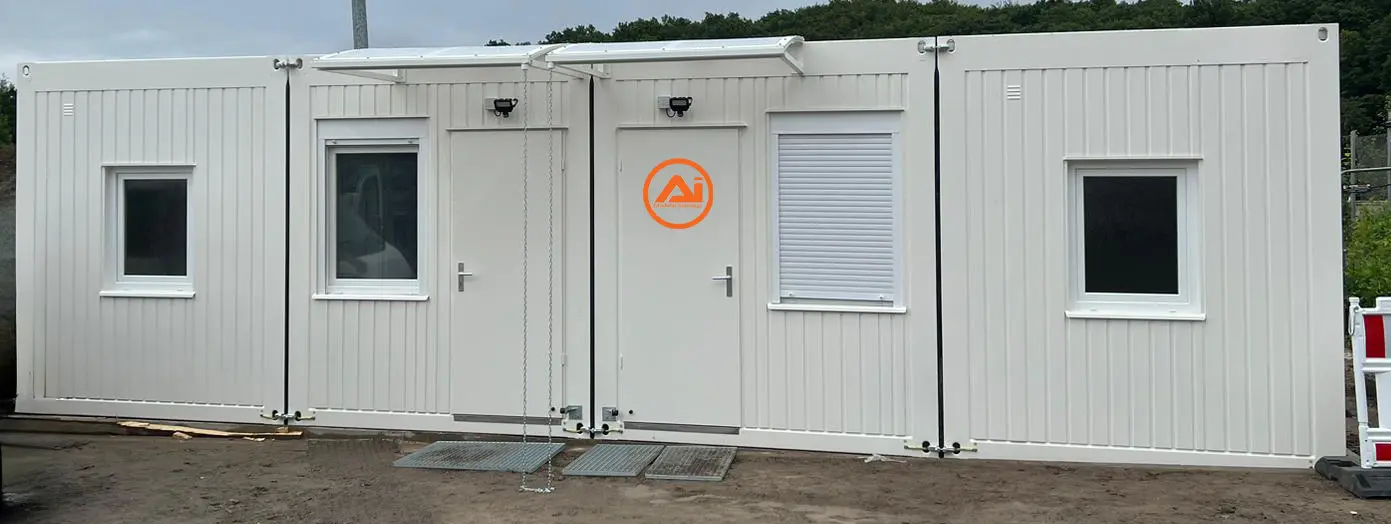
Administrative modular buildings can be configured in many different ways depending on operational needs. Individual modules can function as standalone offices or be connected together to create larger professional environments.
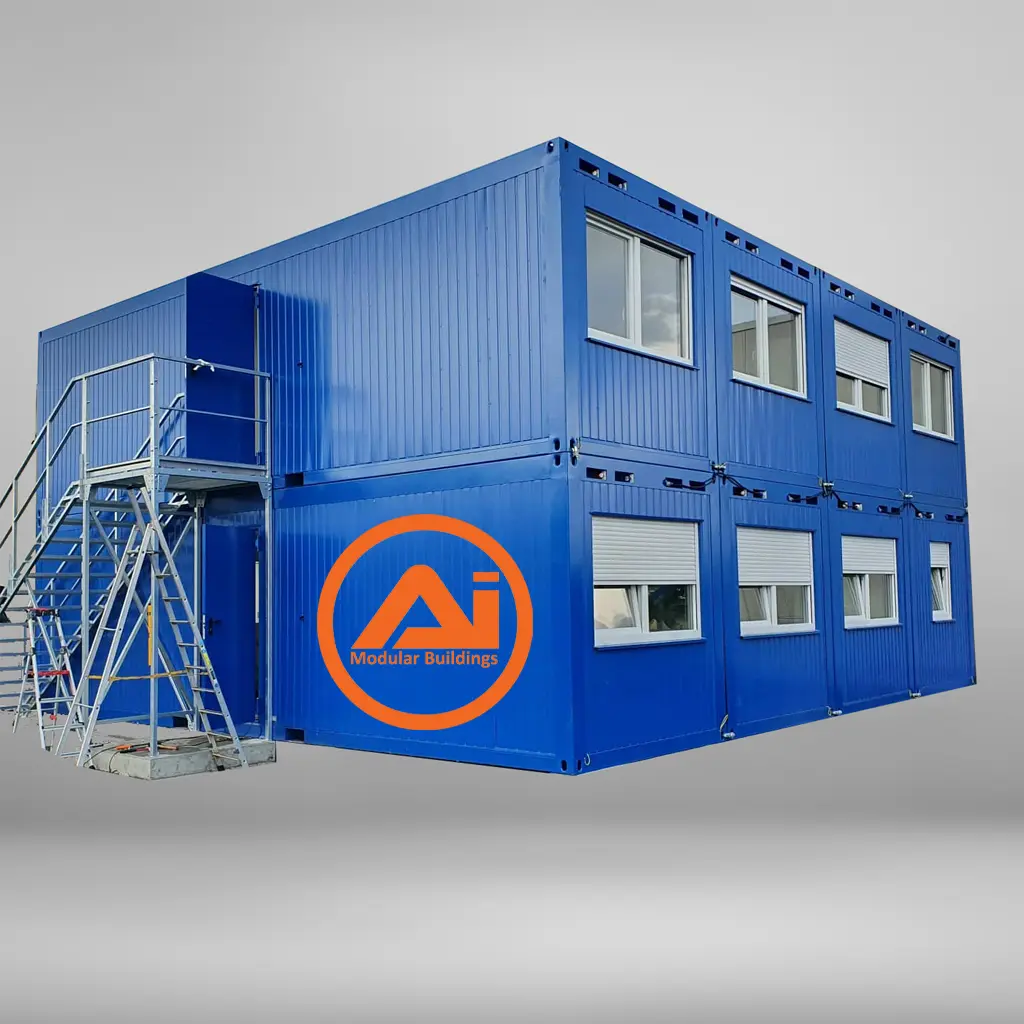
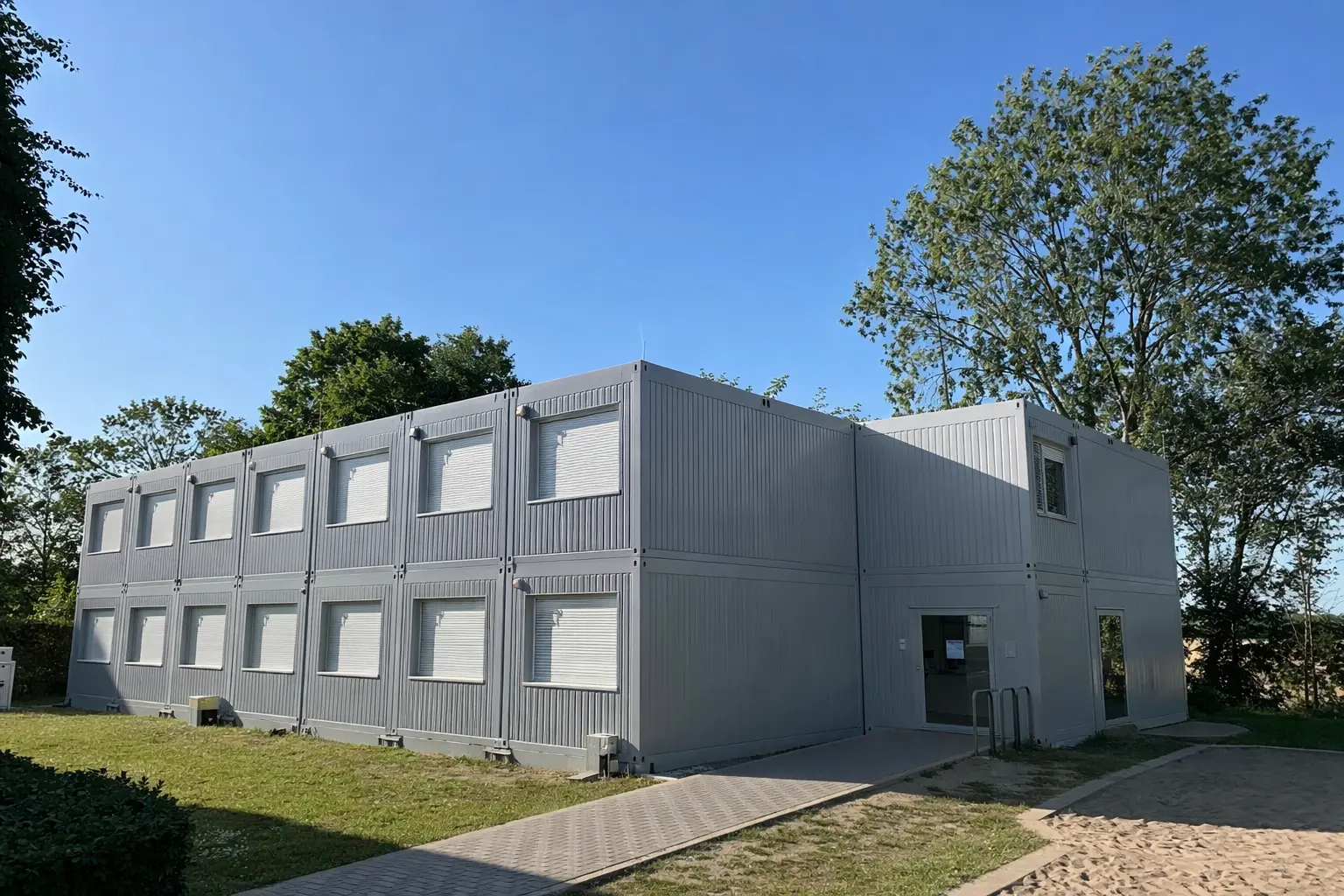
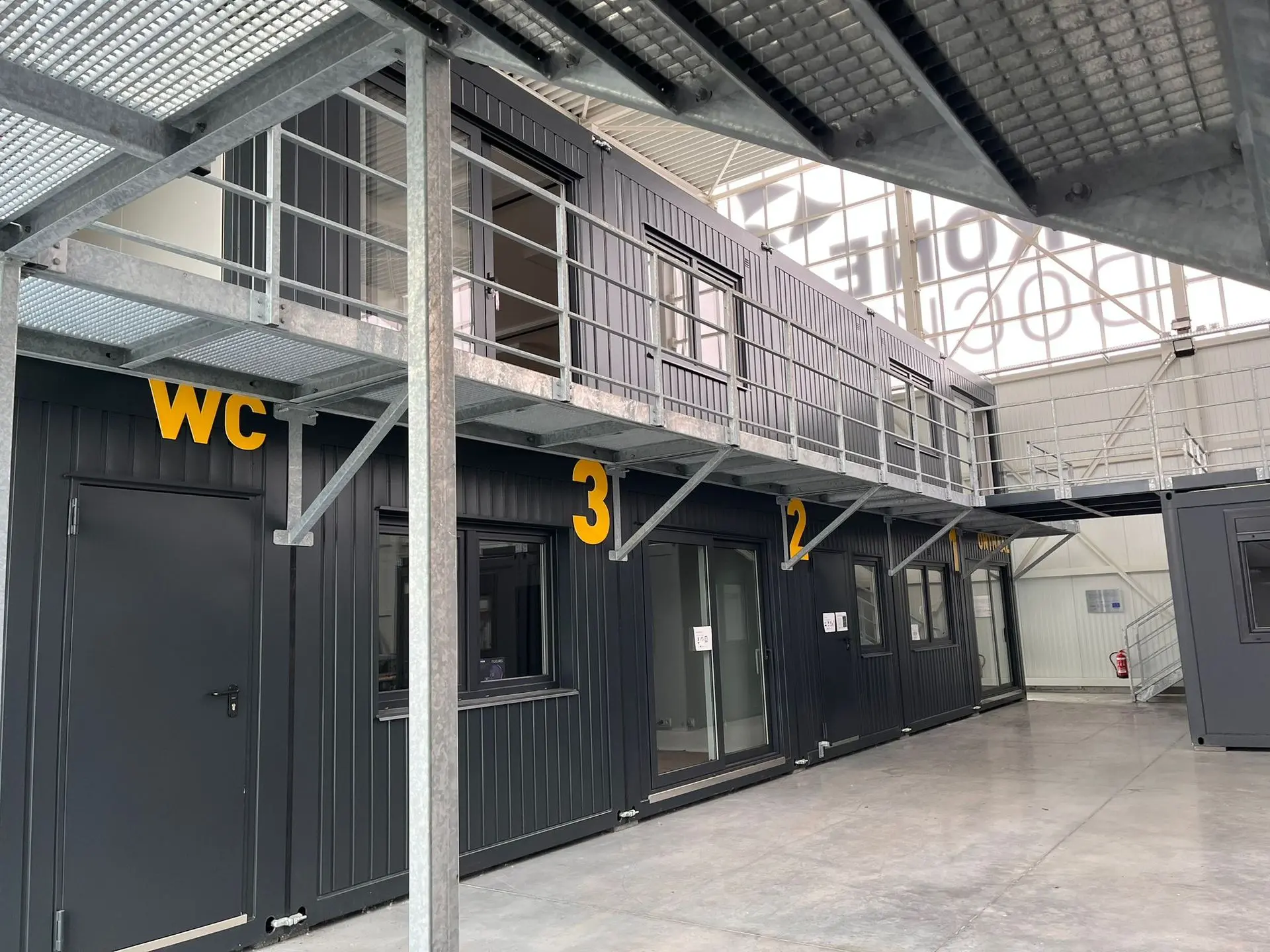
By combining modules horizontally or vertically, these buildings can scale from small office spaces to full multi-storey administrative complexes.
This flexibility allows businesses to create layouts that match their team structure, workflow, and operational requirements.
Single-Level Administrative Offices
Single-level modular office buildings provide efficient workspace for management teams, administrative staff, and project coordination.
Typical layouts may include:
• private offices for managers or executives
• shared workspaces for administrative staff
• meeting or conference rooms
• reception areas
• document storage or printing areas
These buildings create comfortable, organized workspaces while maintaining efficient use of space and quick installation timelines.
Multi-Storey Office Buildings
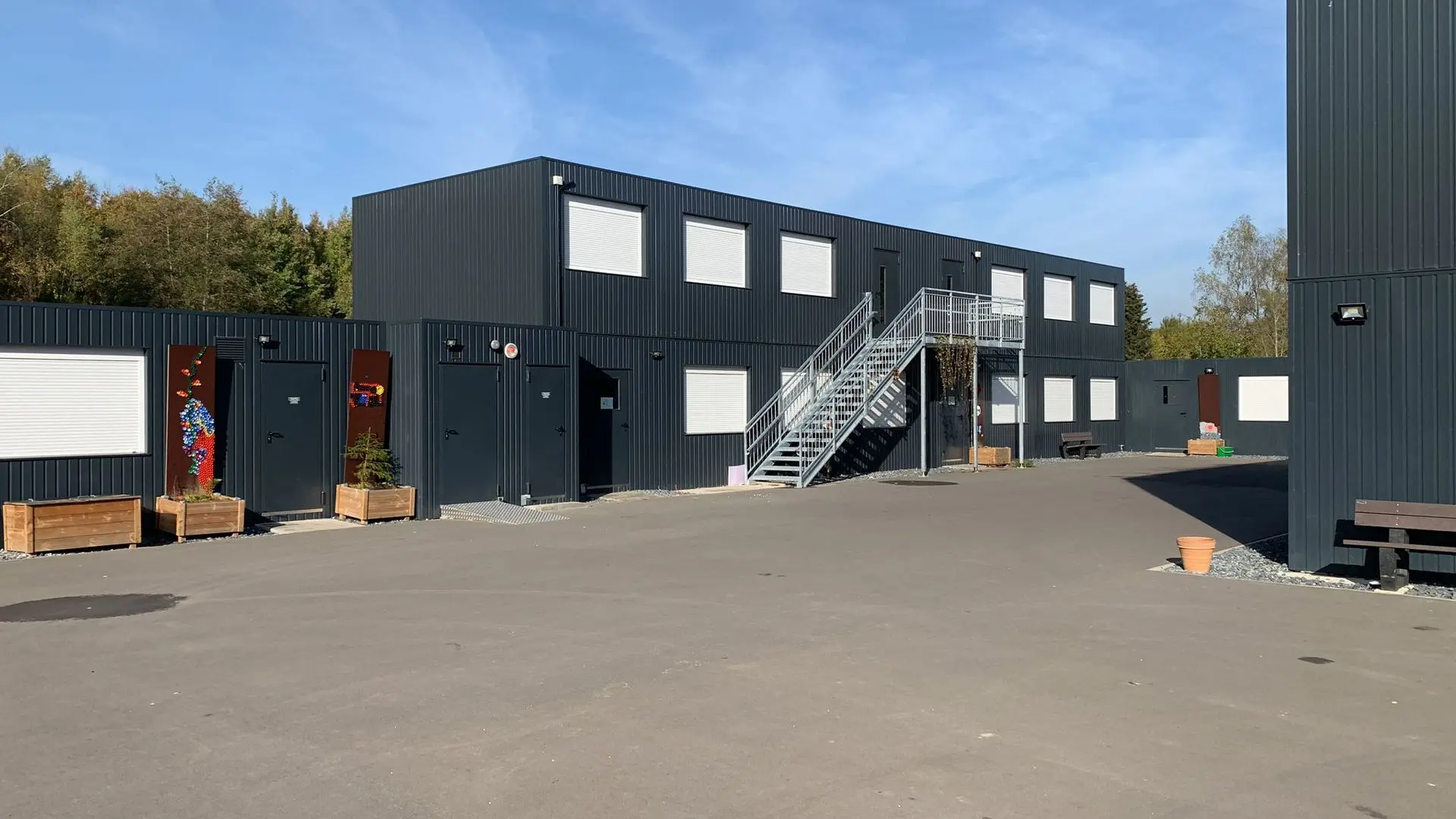
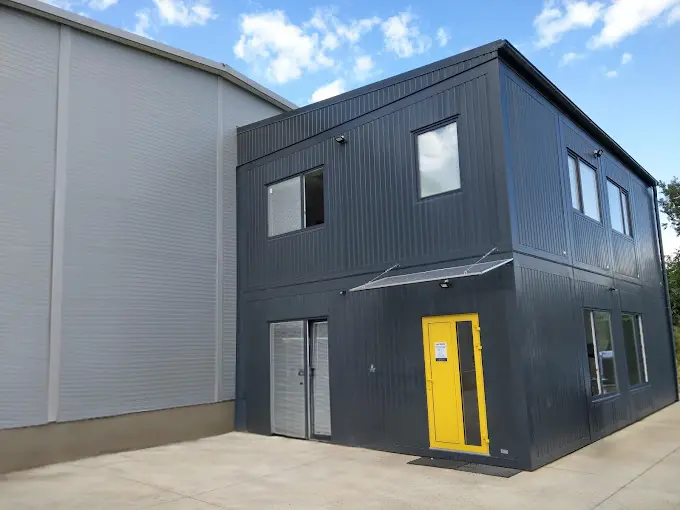
For larger organizations or long-term projects, multi-storey modular buildings provide expanded capacity while maintaining a compact footprint.
Two-storey configurations allow businesses to separate operational areas across different levels. For example:
Ground floor
• reception area
• open workspaces
• cafeteria or break rooms
• storage areas
• worker change rooms
Upper floor
• executive offices
• private meeting rooms
• boardrooms
• management suites
This structure creates a professional office environment similar to traditional office buildings while benefiting from the speed and flexibility of modular construction.
Built for Professional Operations
Administrative buildings must provide a comfortable and productive environment for employees and management teams. Modular office buildings are designed to support daily business activities with practical layouts and durable construction.
These buildings can include climate control, electrical and data infrastructure, modern interior finishes, and flexible interior layouts suitable for professional work environments.
The result is an office space that supports productivity, communication, and efficient operations.
Adaptable to Growing Organizations
As organizations grow, office requirements often change. Modular administrative buildings provide a flexible solution that can expand as operational needs evolve.
Additional modules or floors can be added to increase office capacity without requiring major reconstruction or relocation.
This scalability allows businesses to adapt their workspace to changing team sizes and operational demands.
Efficient Construction and Installation
One of the key advantages of modular administrative buildings is the efficiency of the construction process. Because modules are manufactured in controlled environments, much of the building work is completed before arriving on site.
This reduces construction timelines and allows organizations to establish functional office environments more quickly compared to traditional construction methods.
A Modern Solution for Administrative Facilities
Modular administrative buildings provide a practical solution for organizations seeking efficient, professional workspace environments.
From compact office buildings to multi-storey administrative complexes, modular construction allows businesses to create modern office environments that support productivity, collaboration, and long-term operational growth.