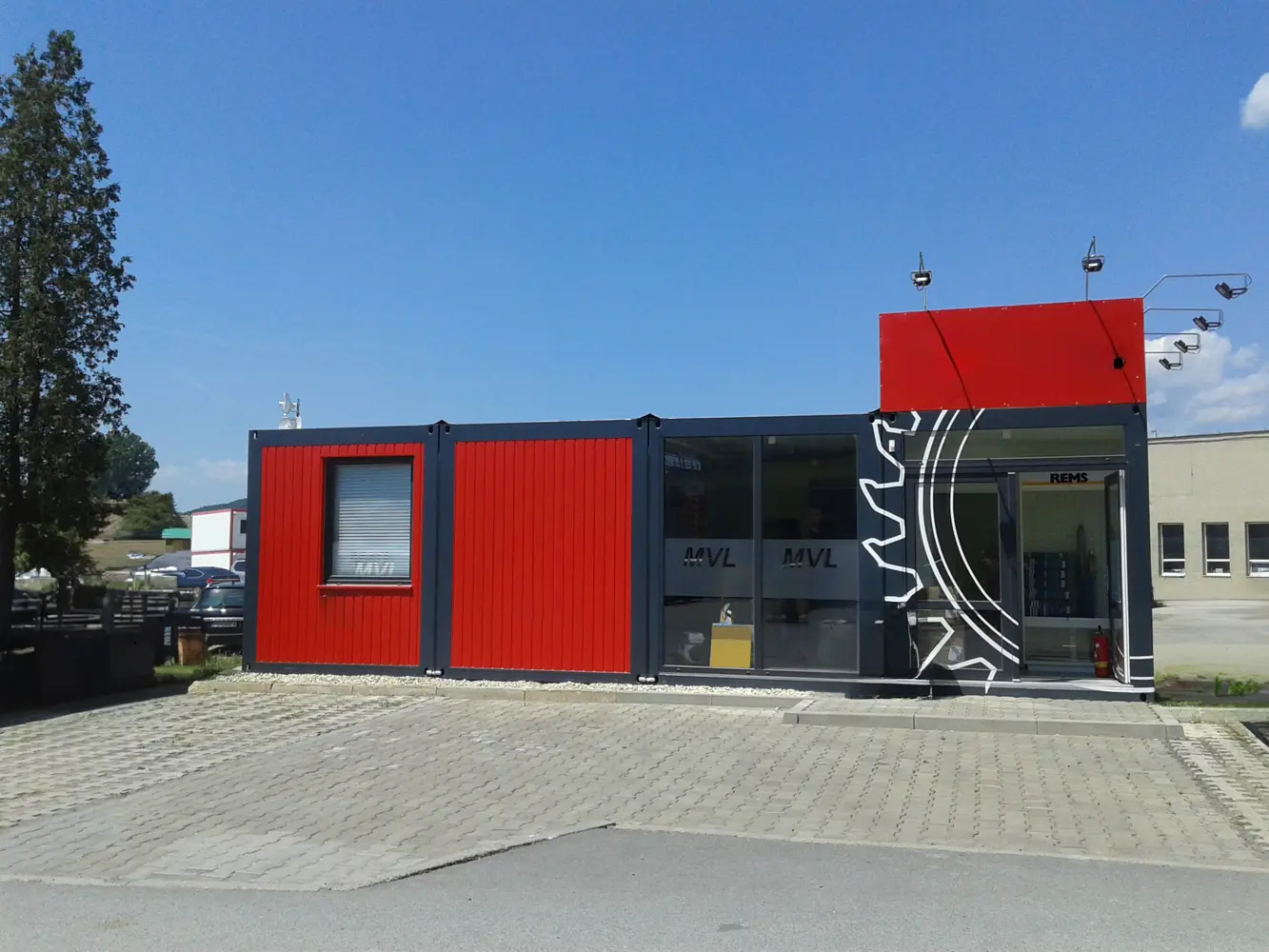
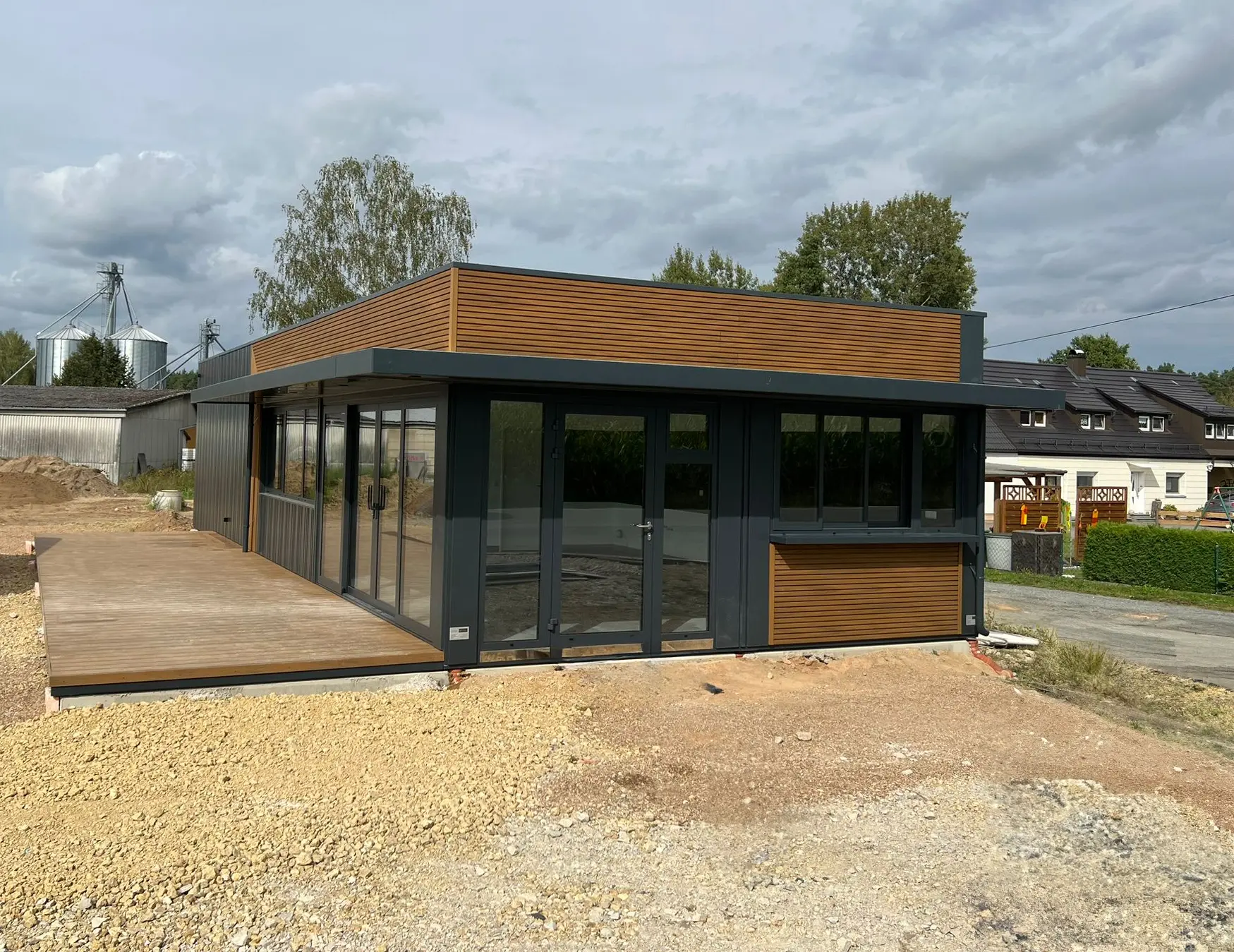
Adaptable Commercial Layouts
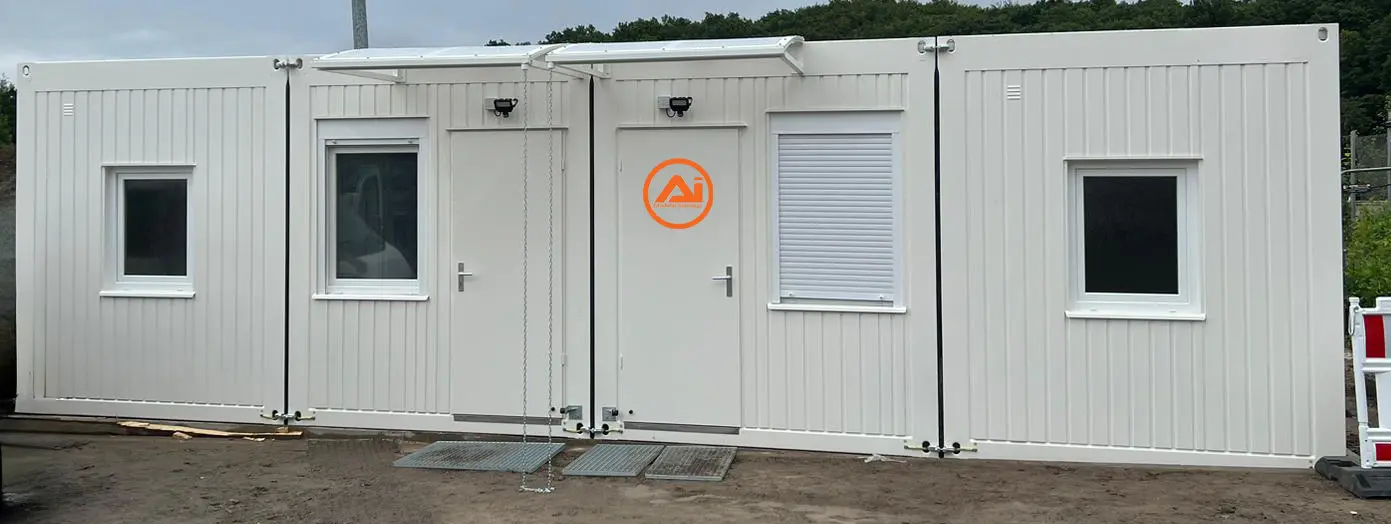
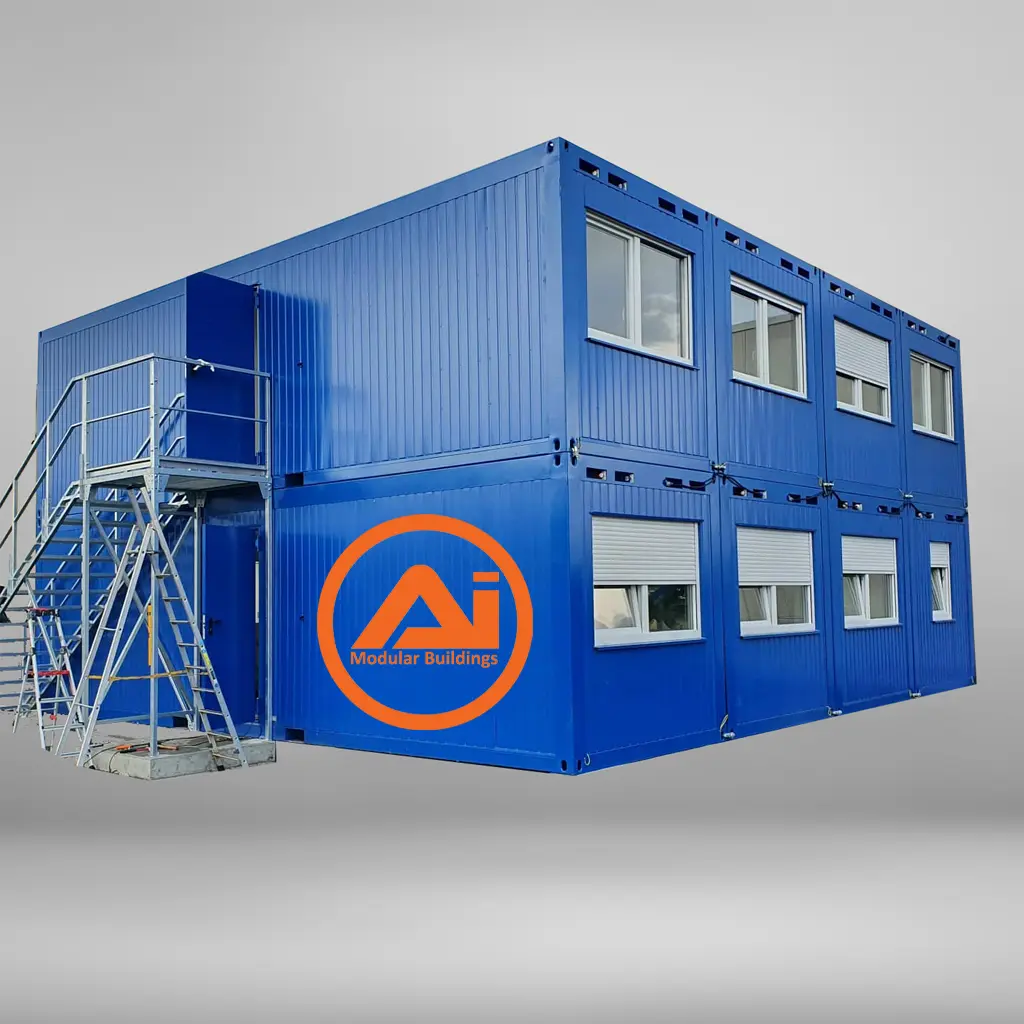
Commercial modular buildings can be designed in many configurations depending on the business type and operational requirements. Individual modules can be combined to create open commercial spaces, divided into separate units, or expanded as business needs evolve.
This flexibility allows commercial buildings to accommodate different uses while maintaining efficient and organized interior layouts.
Retail and Service Spaces
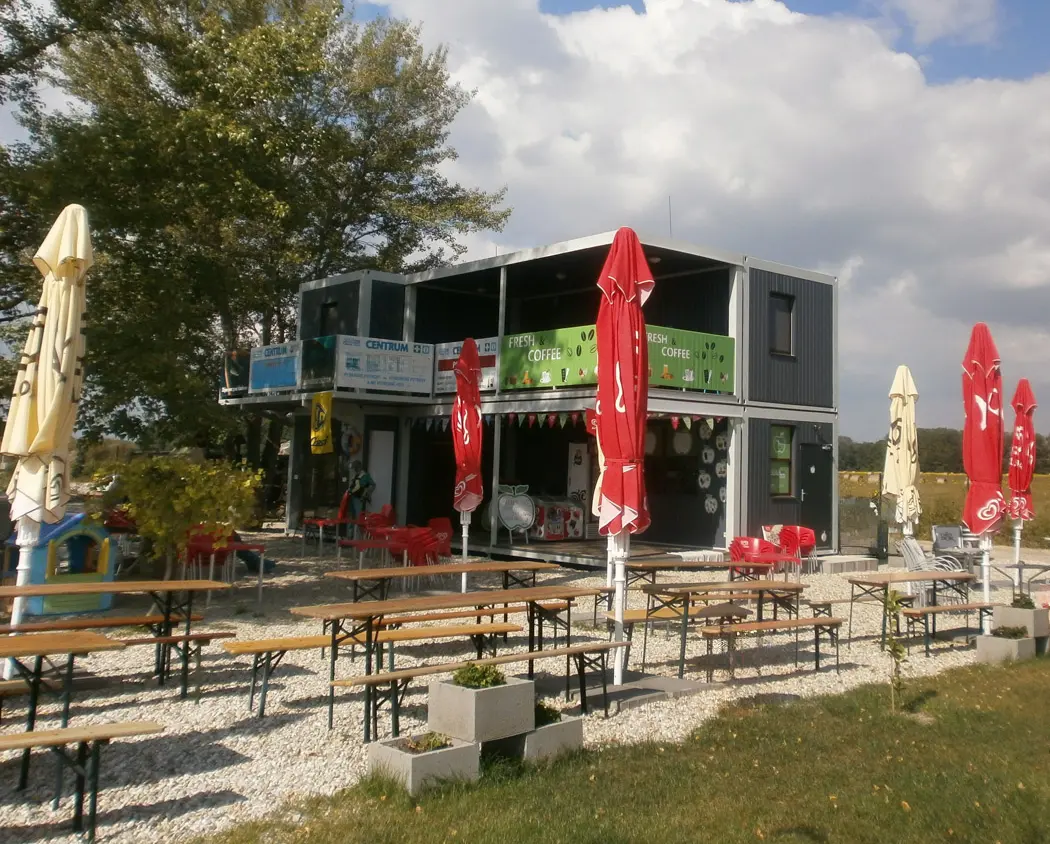
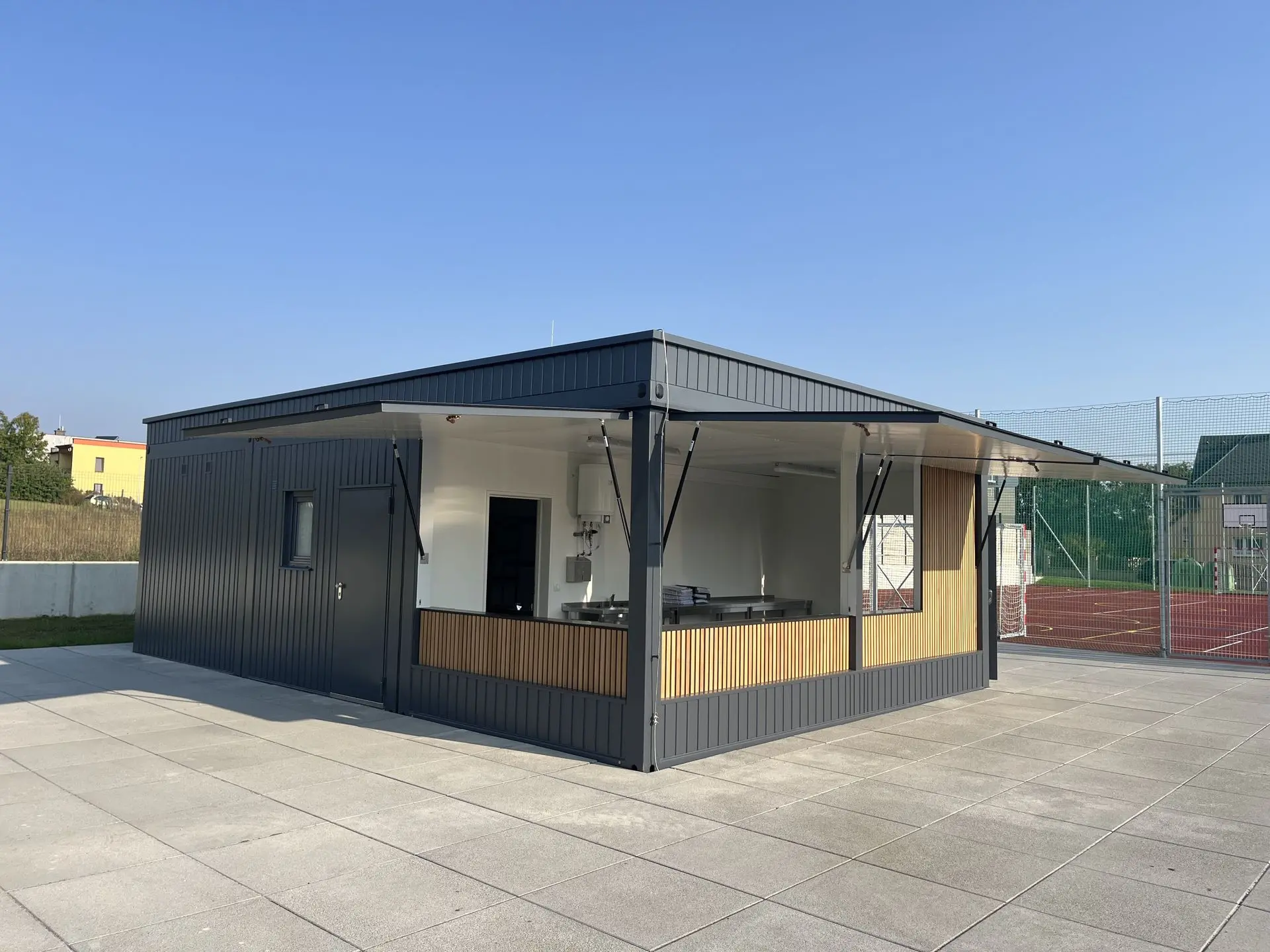
Modular commercial buildings can serve as retail or service environments where businesses interact directly with customers. These buildings can include open areas for product displays, customer service counters, waiting areas, and support spaces for staff operations.
Such layouts are well suited for retail shops, service businesses, showrooms, and other customer-focused commercial activities.
Office and Administrative Areas
Commercial buildings can also include administrative workspaces that support management teams and operational staff. These areas may include private offices, meeting rooms, collaborative workspaces, and reception areas.
By integrating office space within the building, businesses can manage both customer-facing and operational activities in a single location.
Multi-Unit Commercial Buildings
For businesses that require multiple functional areas, modular buildings can be divided into separate units or departments. This allows different operations to function within the same building while maintaining clear organization and efficient workflow.
Examples include combining retail space with office areas, storage rooms, and service facilities within one structure.
Designed for Growing Businesses
One of the main advantages of modular commercial buildings is their ability to adapt as businesses grow. Additional modules can be added to expand the available space without major reconstruction or disruption to operations.
This scalability allows commercial buildings to evolve alongside business needs.
Key Advantages of Modular Commercial Buildings
Efficient Construction Process
Modular buildings are manufactured in controlled environments and assembled on site, helping reduce construction timelines.
Flexible Interior Layouts
Commercial spaces can be configured for retail, service, administrative, or operational purposes.
Scalable Business Facilities
Buildings can be expanded as businesses grow or operational needs change.
Professional Business Environment
Modern modular buildings provide comfortable spaces for employees, customers, and daily business operations.
Adaptable for Many Industries
Commercial modular buildings can support a wide range of industries and business types.
Typical Applications
Commercial modular buildings can support many types of businesses and operations, including:
• retail shops and showrooms
• service businesses
• commercial offices
• customer service centers
• operational business facilities
These buildings provide practical and efficient commercial environments designed to support modern business activities.